Everything You Need to Know About Living in Dubai
A comprehensive guide to living in Dubai, covering neighborhoods, living costs, culture, safety, and visa options.

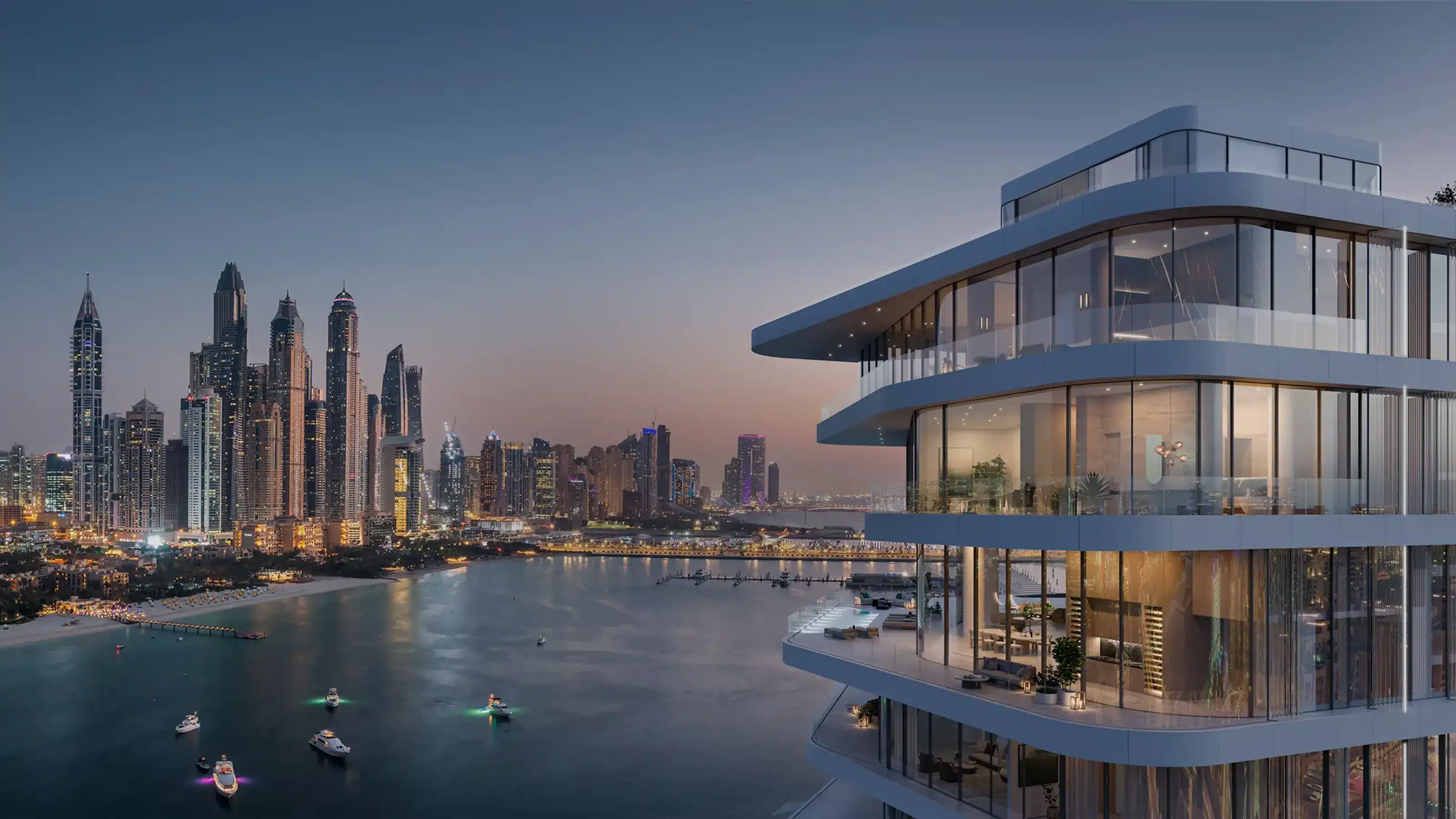
Dubai has transformed dramatically over the past few decades. Once a modest trading port, it has evolved into one of the world's leading business and lifestyle destinations. Today, the city attracts professionals, entrepreneurs, investors, and families from across the globe thanks to its modern infrastructure, tax advantages, high standard of living, and exceptional safety.
While Dubai's iconic skyline often steals the spotlight, daily life in the emirate offers much more than luxury skyscrapers. From choosing the right neighborhood to understanding the cost of living and local customs, there are several factors worth considering before making the move.
This guide provides a comprehensive overview of what it's really like to live in Dubai.

Choosing Where to Live in Dubai
Dubai's real estate market offers a wide variety of residential communities, each catering to different lifestyles and budgets. Selecting the right neighborhood is one of the most important decisions, as it will influence both your living experience and monthly expenses.
Popular waterfront communities such as Dubai Marina and Jumeirah Beach Residence (JBR) are ideal for those who enjoy vibrant city life, easy beach access, and a lively dining and entertainment scene. These areas primarily feature modern high-rise apartments.
Palm Jumeirah remains one of Dubai's most prestigious addresses. Residents enjoy luxury apartments and villas, many with private beach access and spectacular sea views.
Downtown Dubai, home to the Burj Khalifa and Dubai Mall, offers an energetic urban lifestyle in the heart of the city. Families often prefer communities such as Arabian Ranches and The Hills, which provide spacious villas, landscaped surroundings, and convenient access to international schools.
Rental Prices and the RERA Rental Index
Rental prices in Dubai have increased significantly in recent years. To ensure fair rental practices, the Real Estate Regulatory Agency (RERA) introduced an official Rental Index that regulates how much landlords can increase rent when renewing a tenancy contract.
The permitted increase depends on how the current rent compares to the market average. For example, if the existing rent is close to the market rate, landlords may not be allowed to increase it. Larger differences may permit increases within specific limits established by RERA.
Tenants can verify the maximum allowable increase using the official Rental Index Calculator provided by the Dubai Land Department.
Cost of Living in Dubai
One of the most common questions is how expensive it is to live in Dubai. While the city is often compared to major European capitals in terms of living costs, residents benefit from the absence of personal income tax, which significantly improves disposable income.Utility services, including electricity and water, are supplied by the Dubai Electricity and Water Authority (DEWA). Monthly utility bills vary depending on property size and air conditioning usage.
For an apartment of approximately 85 square metres, monthly costs typically range between AED 600 and AED 900.
Groceries and Everyday Expenses
Dubai offers supermarkets for every budget. Affordable chains such as Carrefour and Lulu Hypermarket are widely available, while retailers like Spinneys and Waitrose cater to shoppers seeking premium imported products.
Imported European and international brands generally cost more than in many European countries, whereas locally produced and regional goods remain competitively priced. Although grocery prices are often slightly higher than in cities such as Amsterdam, the higher disposable income resulting from the tax-free environment helps offset these costs.
Safety and Local Culture
Dubai consistently ranks among the safest cities in the world. Crime rates remain exceptionally low due to strict legislation, effective law enforcement, and a strong focus on public safety.
Although Dubai is highly international and home to residents from over 200 nationalities, it remains part of the United Arab Emirates and follows Islamic traditions. Respecting local customs is therefore essential.
Alcohol may be consumed in licensed hotels, restaurants, bars, and clubs. Residents wishing to purchase alcohol for personal use should comply with the applicable regulations. Public intoxication and disorderly behaviour are prohibited.
Visitors and residents are expected to dress modestly in shopping malls, government buildings, and other public spaces by covering shoulders and knees. Swimwear is appropriate at beaches and swimming pools.
During the holy month of Ramadan, cultural practices become more visible throughout the city. While regulations for non-Muslims have become more flexible in recent years and many restaurants remain open during daylight hours, visitors are encouraged to remain respectful of local customs.

Climate and Lifestyle
Dubai's climate has a significant impact on daily life. The year is generally divided into two distinct seasons.
From September to May, temperatures typically range between 20°C and 35°C, making it an ideal period for outdoor activities. Beaches, parks, cafés, sporting events, and festivals become central to everyday life, and many residents spend much of their free time outdoors.
The summer months, however, are considerably hotter. Temperatures frequently exceed 45°C, often accompanied by high humidity. As a result, much of daily life shifts indoors.
Fortunately, Dubai's infrastructure is designed for these conditions. Shopping malls, offices, residential buildings, public transport, and even many bus shelters are fully air-conditioned. Covered walkways and direct connections between buildings also help residents move comfortably throughoutthe city. Many people choose to travel abroad during the hottest months of the year.
Building a Social Life
Despite being a large international city, Dubai is often considered an easy place to build new friendships. Nearly 90% of the population consists of expatriates, meaning many residents are actively looking to expand both their personal and professional networks.
The city offers countless opportunities to meet people through sports clubs, networking events, business communities, and social organisations. Expat associations, including Dutch and Belgian community groups, also organise regular gatherings that make settling into Dubai considerably easier.
Residency Visas
Anyone wishing to live in Dubai requires a valid residency visa. Over the past several years, the UAE has introduced a range of visa options designed to attract skilled professionals, entrepreneurs, and investors.
The Employment Visa is the most common route and is sponsored by an employer. Property buyers may qualify for an Investor Visa when purchasing real estate above the required investment thresholds.
The UAE also offers the Golden Visa, a long-term residence permit valid for up to ten years. This visa is available to eligible investors, entrepreneurs, highly skilled professionals, researchers, and exceptional talent. Unlike an employment visa, the Golden Visa is not tied to a specific employer, providing greater flexibility and long-term stability.
Is Living in Dubai Right for You?
Dubai offers an exceptional combination of career opportunities, modern infrastructure, personal safety, and an international lifestyle. Although the cost of living can be relatively high, the absence of personal income tax and the city's excellent quality of life continue to attract people from around the world.
By understanding the housing market, budgeting for everyday expenses, respecting local customs, and choosing the right visa, you can make an informed decision about whether Dubai is the right place to call home.
Begin your Dubai real estate investment journey with Naya Properties and benefit from carefully selected opportunities, personalized expertise, and strategic support designed to create sustainable, long-term value.
More articles for you




.png)
Hello 👋🏻
Contact our property consultant to get more details!